Self Driving Vechicles
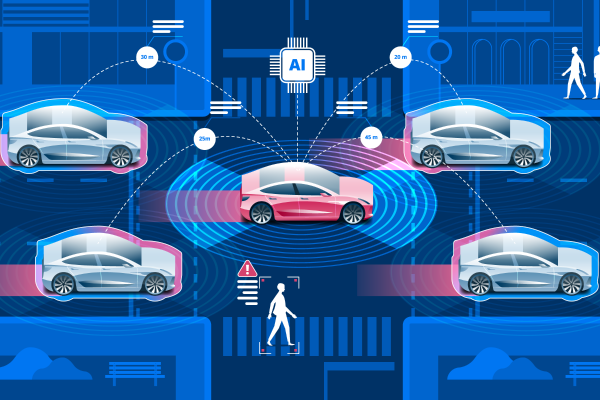
Autonomous driving scenarios require the car to quickly and accurately recognize the surrounding objects and environment, but this is difficult to achieve with traditional Computer Vision programs, but deep learning can. Thanks to the development of deep learning, autonomous driving has never been so close to us.
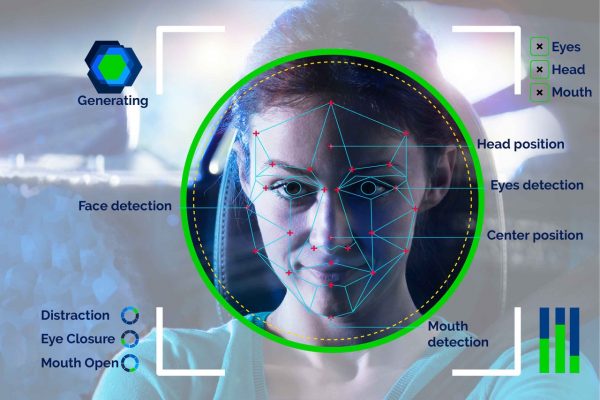
For the commonly used Advanced Driving Assistance System(ADAS), it is also necessary to detect the driver’s physical condition and emotional fluctuations, which can avoid traffic accidents caused by fatigue driving and extreme emotions. As for the detection of the driver’s physical condition and mood fluctuations, conventional sensors cannot meet the requirements of high accuracy and robustness, which will lead to inaccurate judgments.
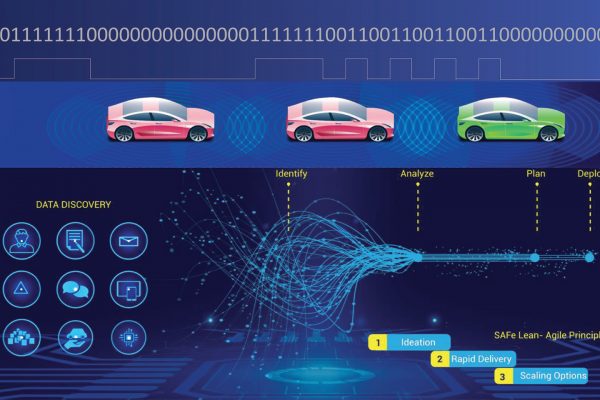
Apart from that, as the driving scene is very complex, the design of the deep learning model is difficult to fully test. Therefore, for deep learning, a set of high-precision and robust testing tools including safety monitoring, system testing, and anomaly detection is very important.